Social life
How do beliefs, feelings and actions differ?
The basic idea
A stereotype is a generalized belief about a group. Prejudice involves an attitude or feeling toward people based on group membership. Discrimination concerns differential treatment. Distinguishing beliefs, feelings and actions helps researchers examine how each contributes to a social situation.
- Belief about a group
- Attitude toward a group
- Treatment of a person
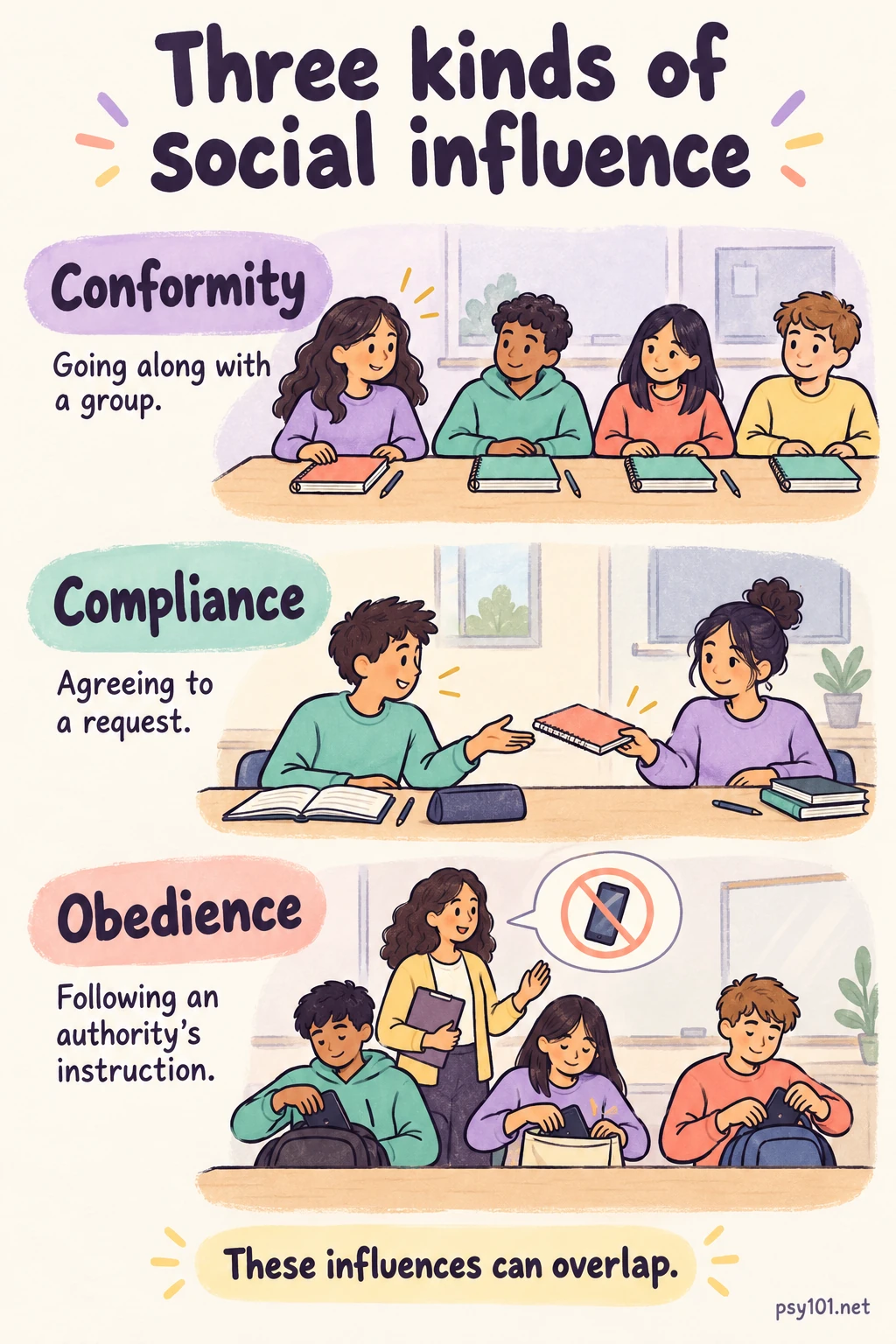
Three kinds of social influence
Compare the influence of a group, a request and an authority’s instruction.
- Conformity
- Going along with a group.
- Compliance
- Agreeing to a request.
- Obedience
- Following an authority’s instruction.
Picture this
Original teaching example
A fictional selection panel assumes members of a particular group will be less reliable and rejects an applicant on that basis. The general belief shapes a decision about an individual applicant.
Your turn
Where can you identify a group-based belief and a discriminatory action in the panel’s decision?
Show the explanation
The assumption about reliability is a stereotype. Rejecting the applicant because of group membership is discriminatory behavior. To examine prejudice as well, a researcher would seek evidence about the panel members’ attitudes and feelings.
Take the idea further
Researchers also examine rules, institutional practices and wider conditions when studying patterns of unequal treatment.
Explore another angle
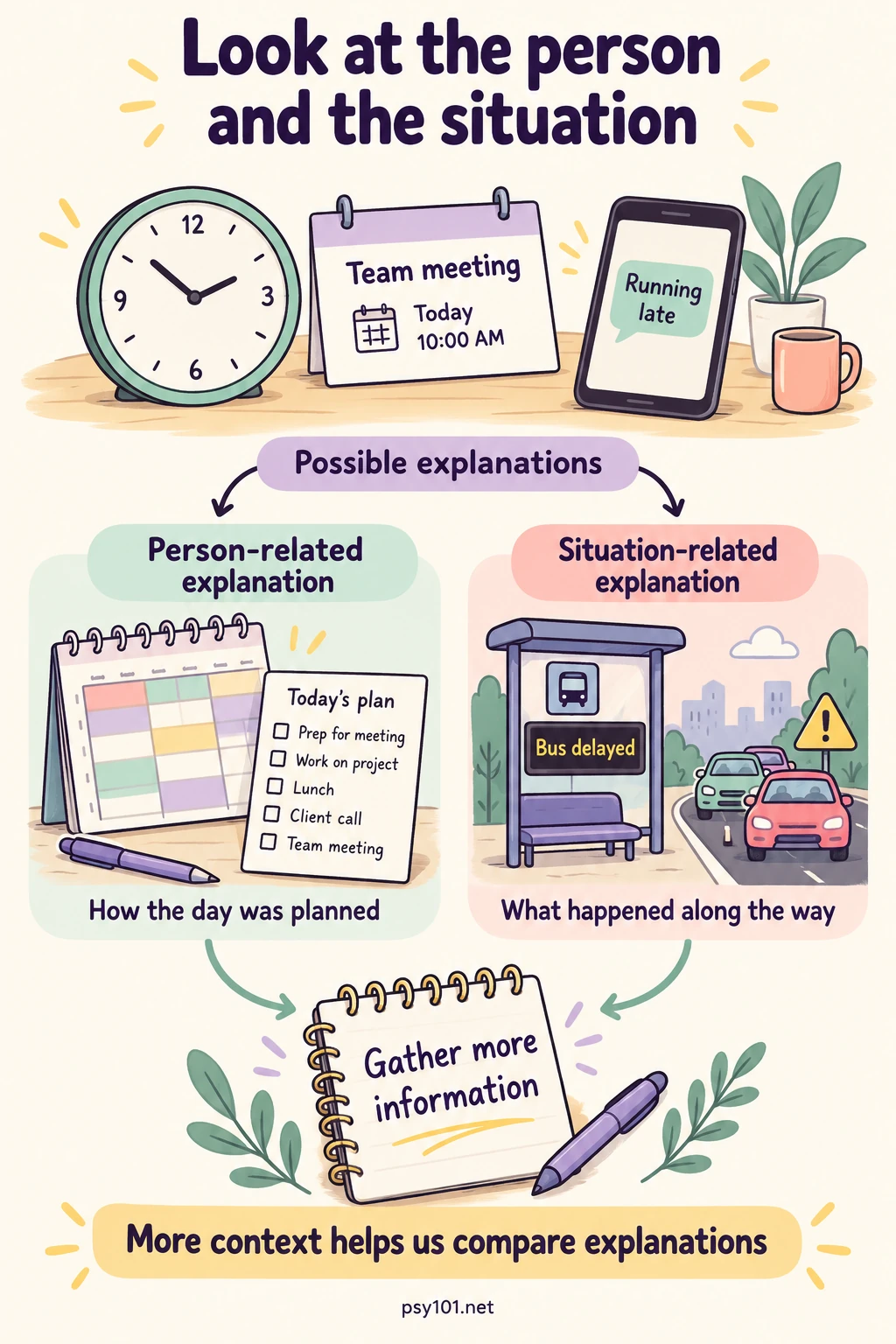 Look at the person and the situationCompare possible explanations for an everyday event.Read the illustrated guide
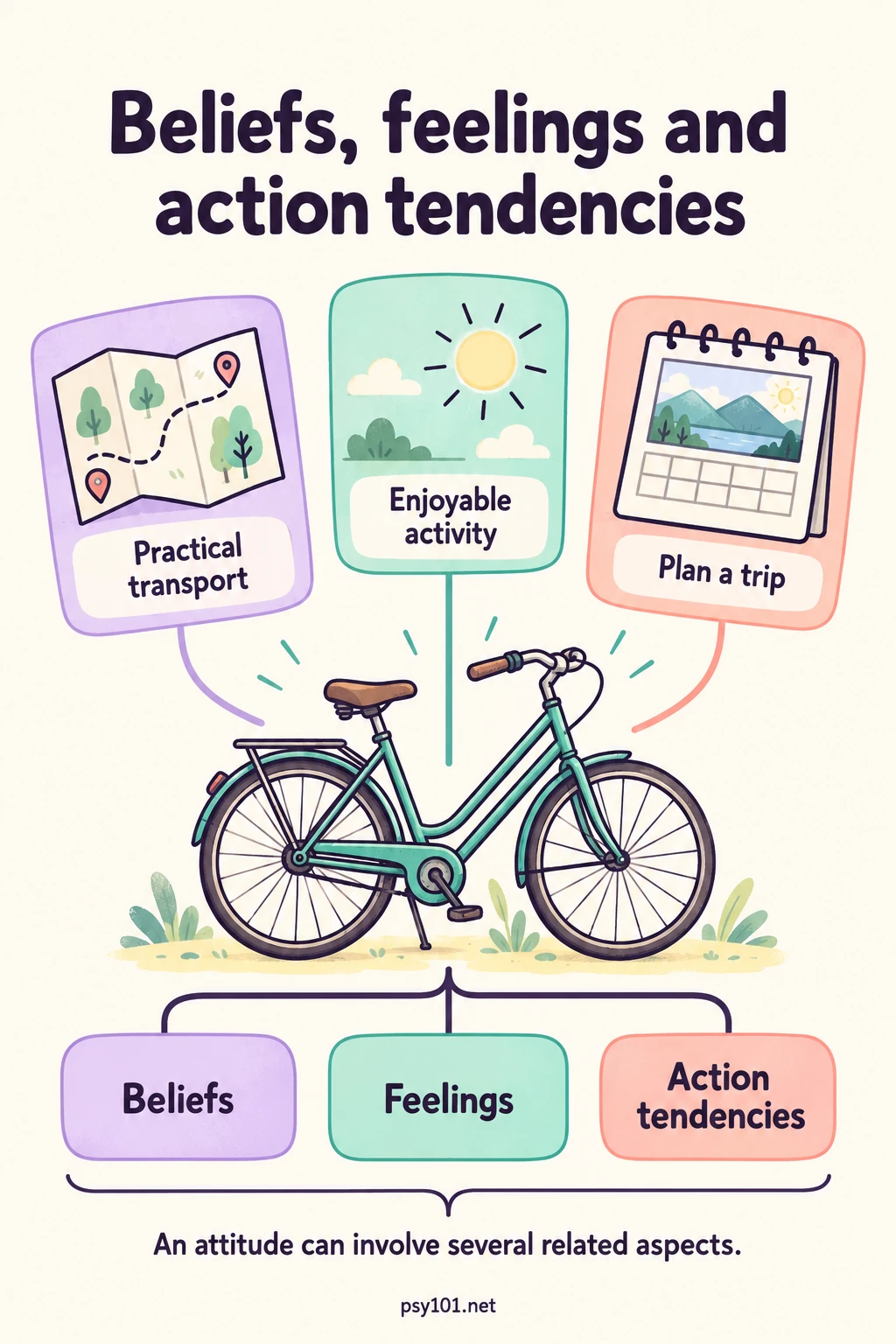 Beliefs, feelings and action tendenciesDistinguish several aspects of an attitude toward the same object.Read the illustrated guide
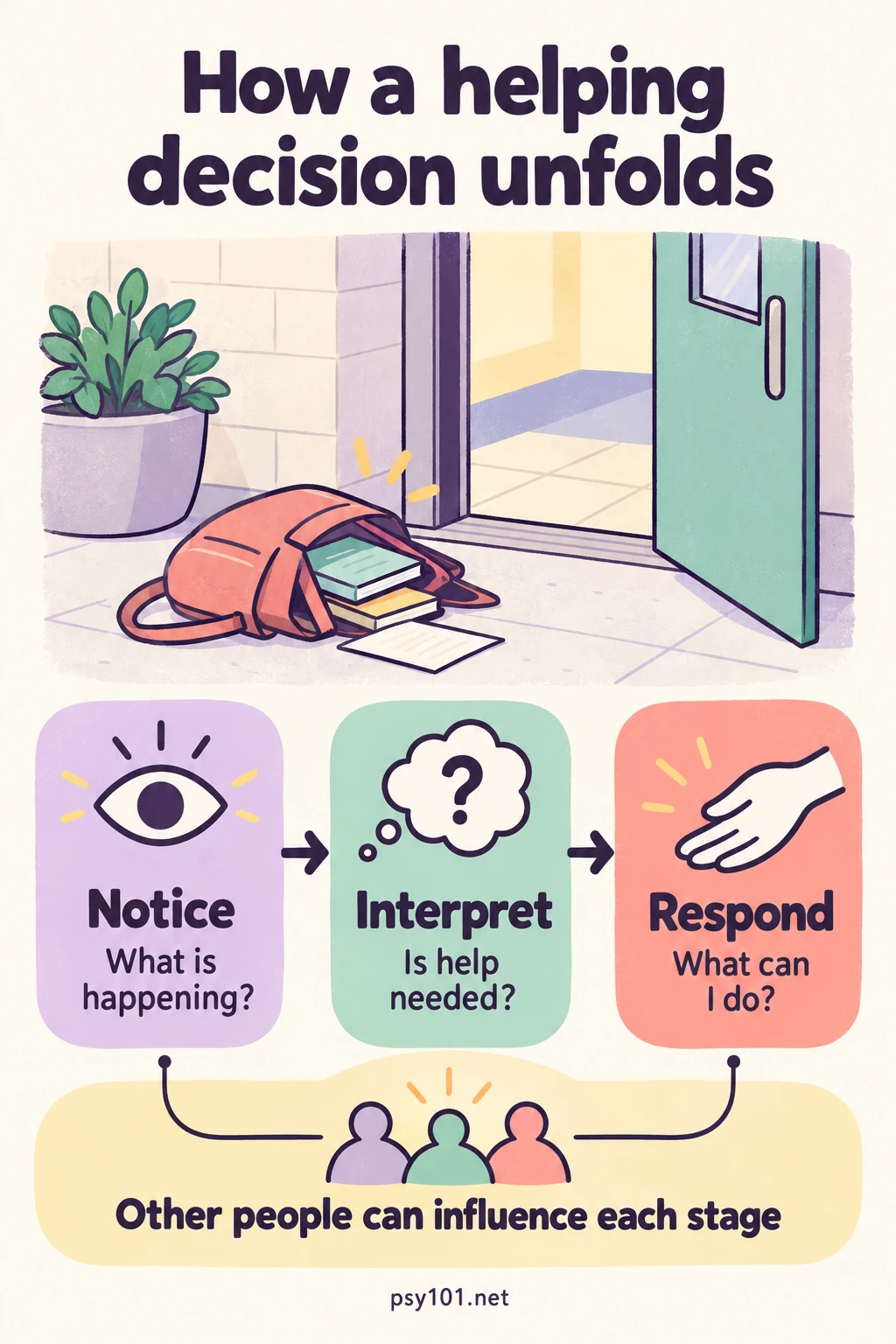 How a helping decision unfoldsUse a simple teaching model to consider what can influence responding to someone who needs help.Read the illustrated guide
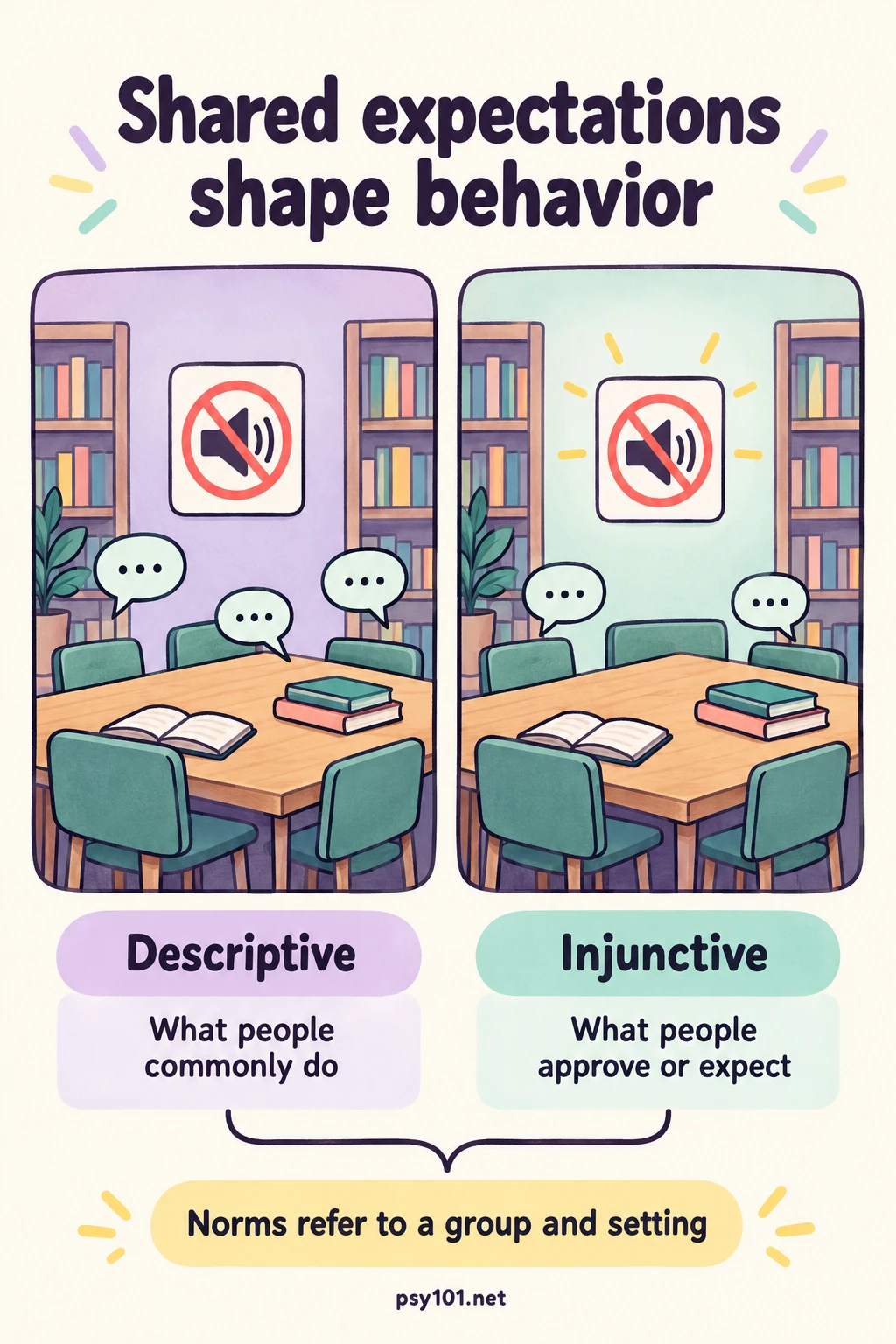 Shared expectations shape behaviorCompare perceptions of what people usually do with expectations about what they approve.Read the illustrated guide
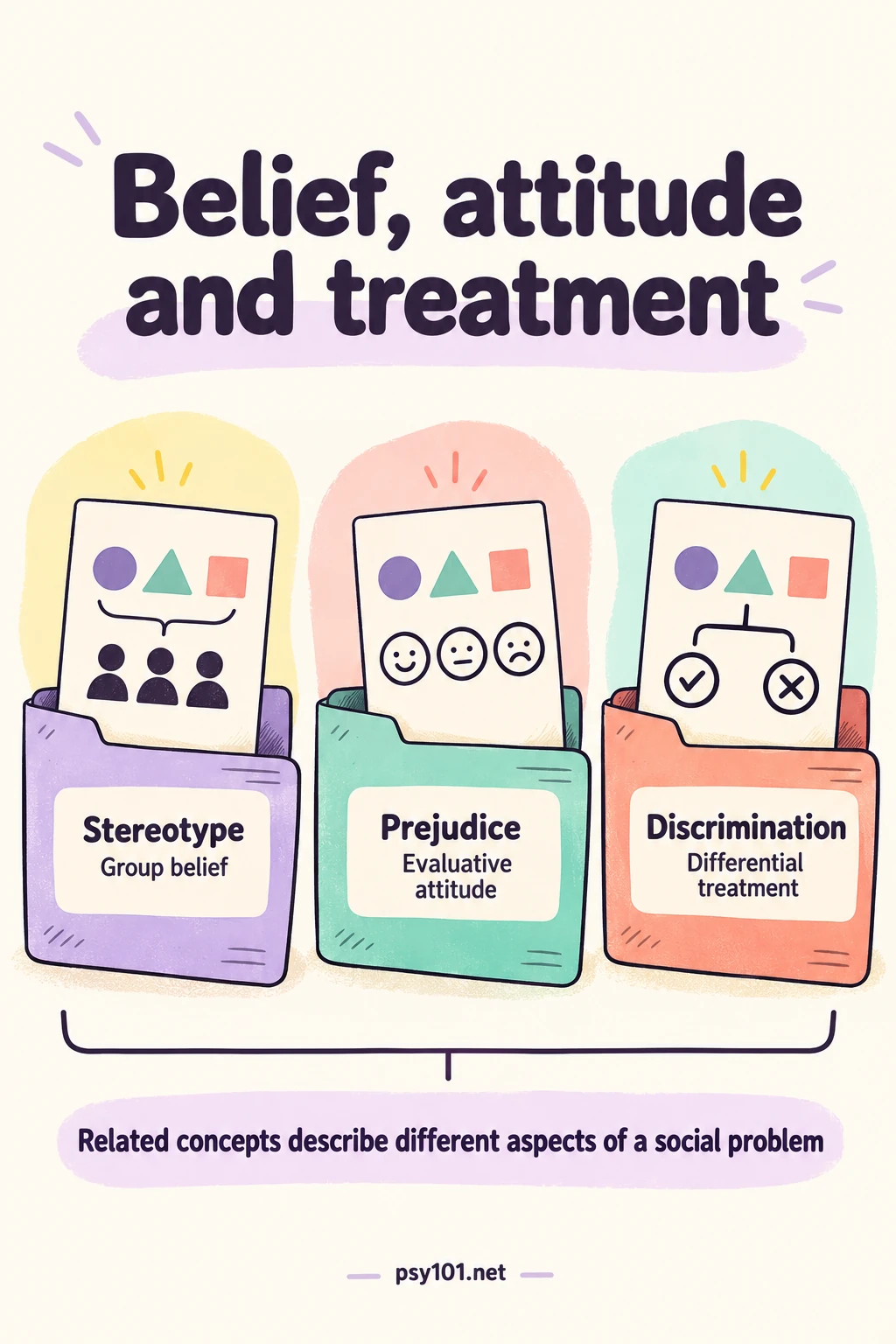 Belief, attitude and treatmentSeparate a generalized group belief, an evaluative attitude and differential treatment.Read the illustrated guide
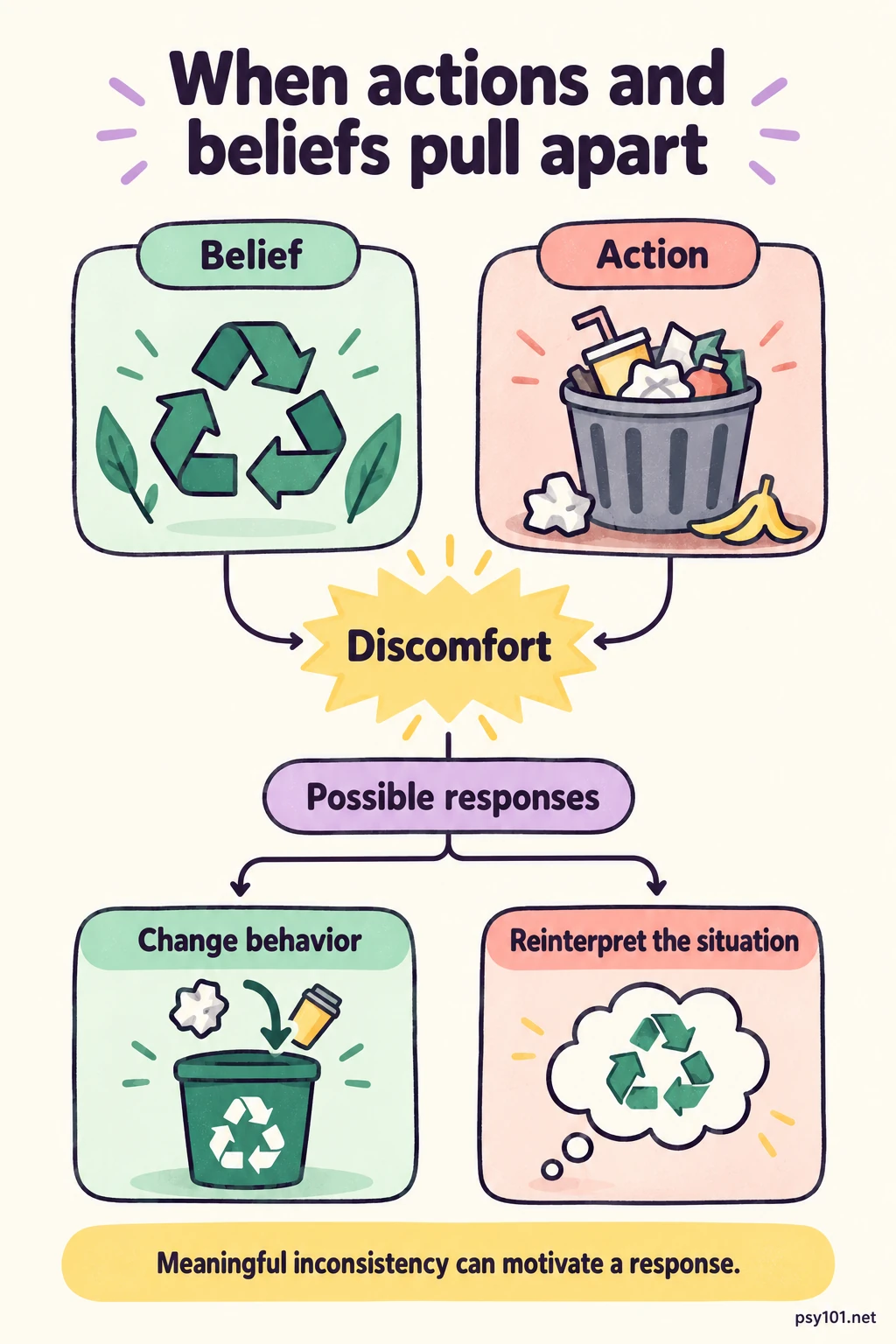 When actions and beliefs pull apartExplore the discomfort that can arise from relevant inconsistency and some possible ways people respond.Read the illustrated guide
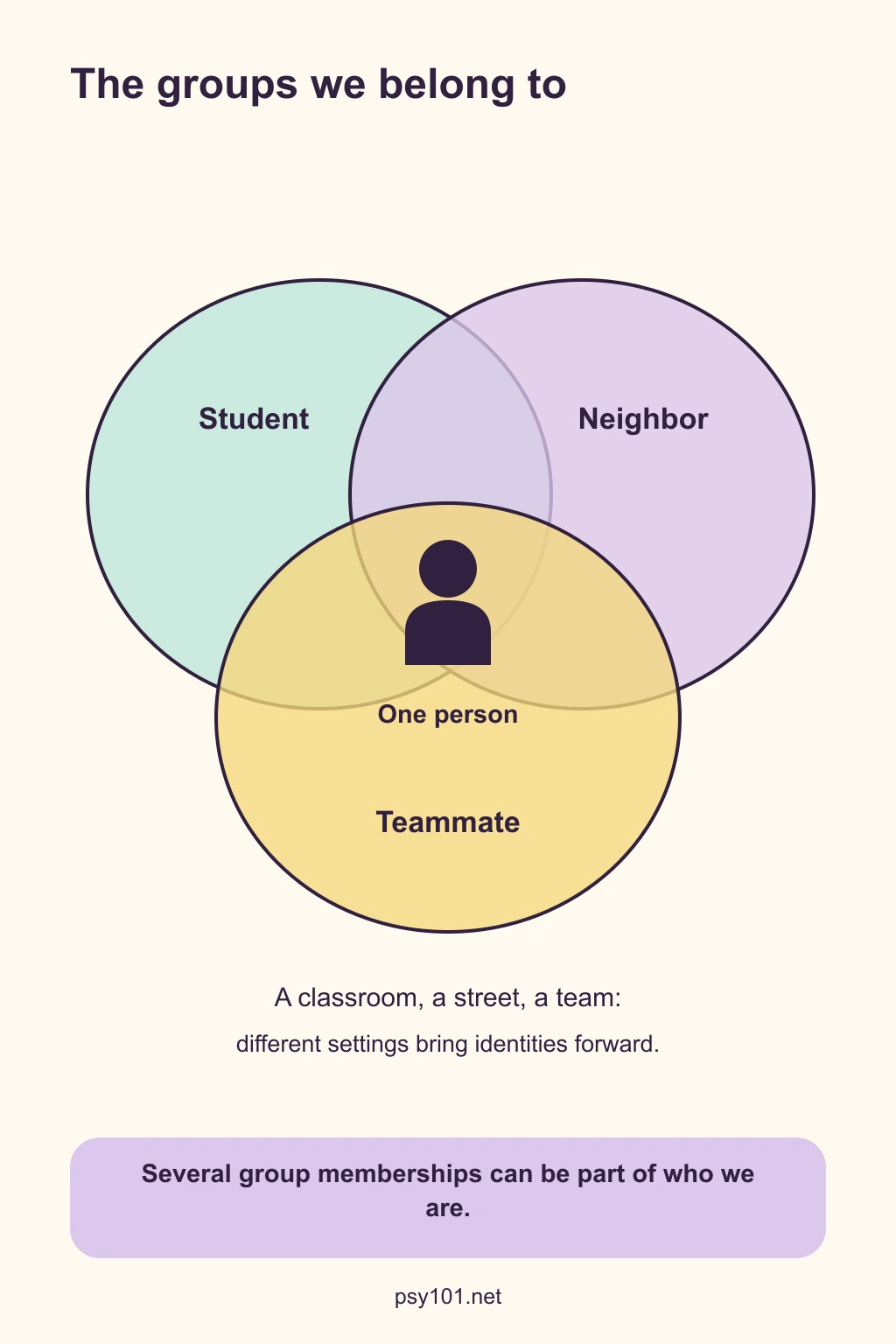 The groups we belong toExplore how several group memberships can be part of one person’s identity.Read the illustrated guide
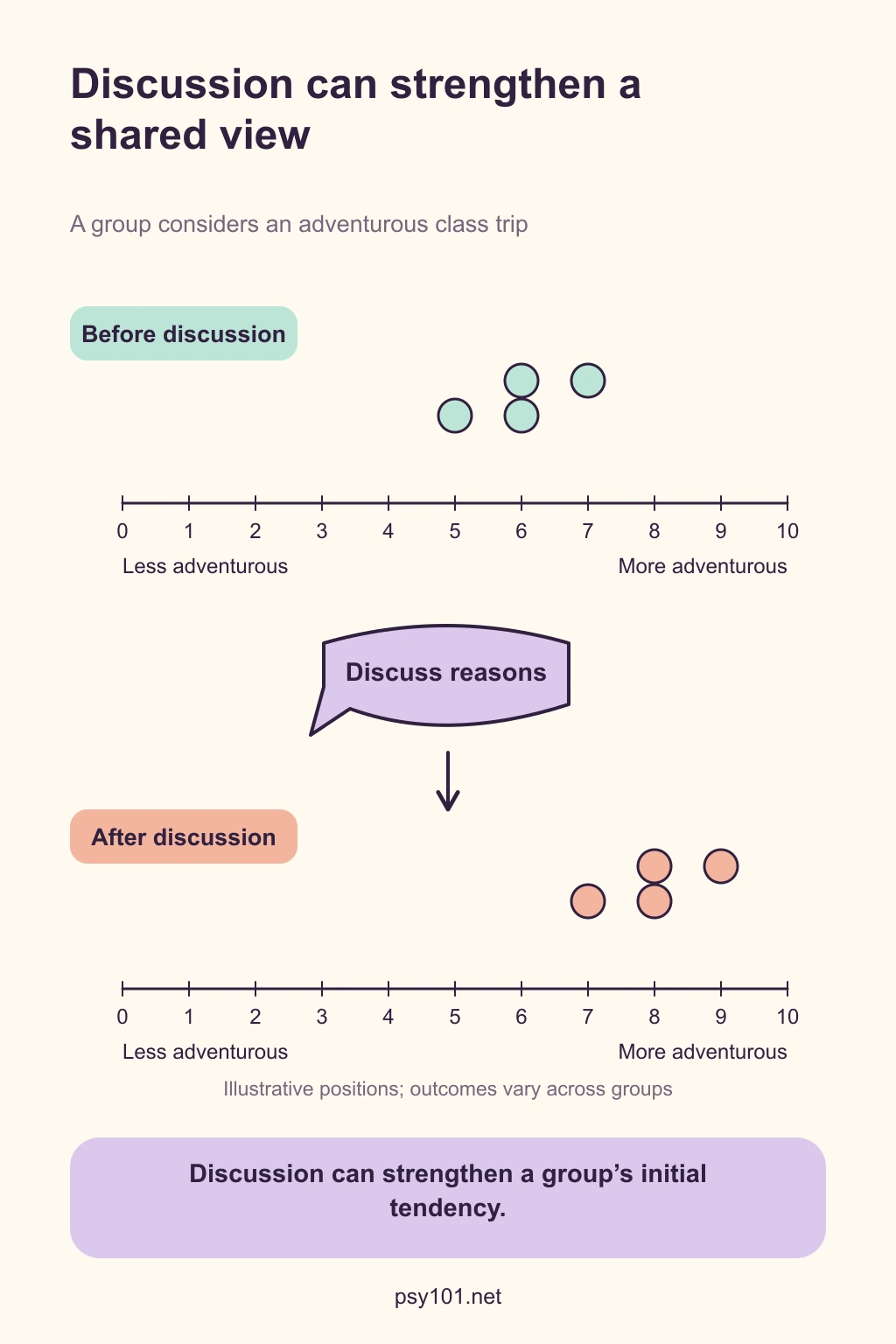 Discussion can strengthen a shared viewExplore how discussion can strengthen a group’s initial leaning.Read the illustrated guide
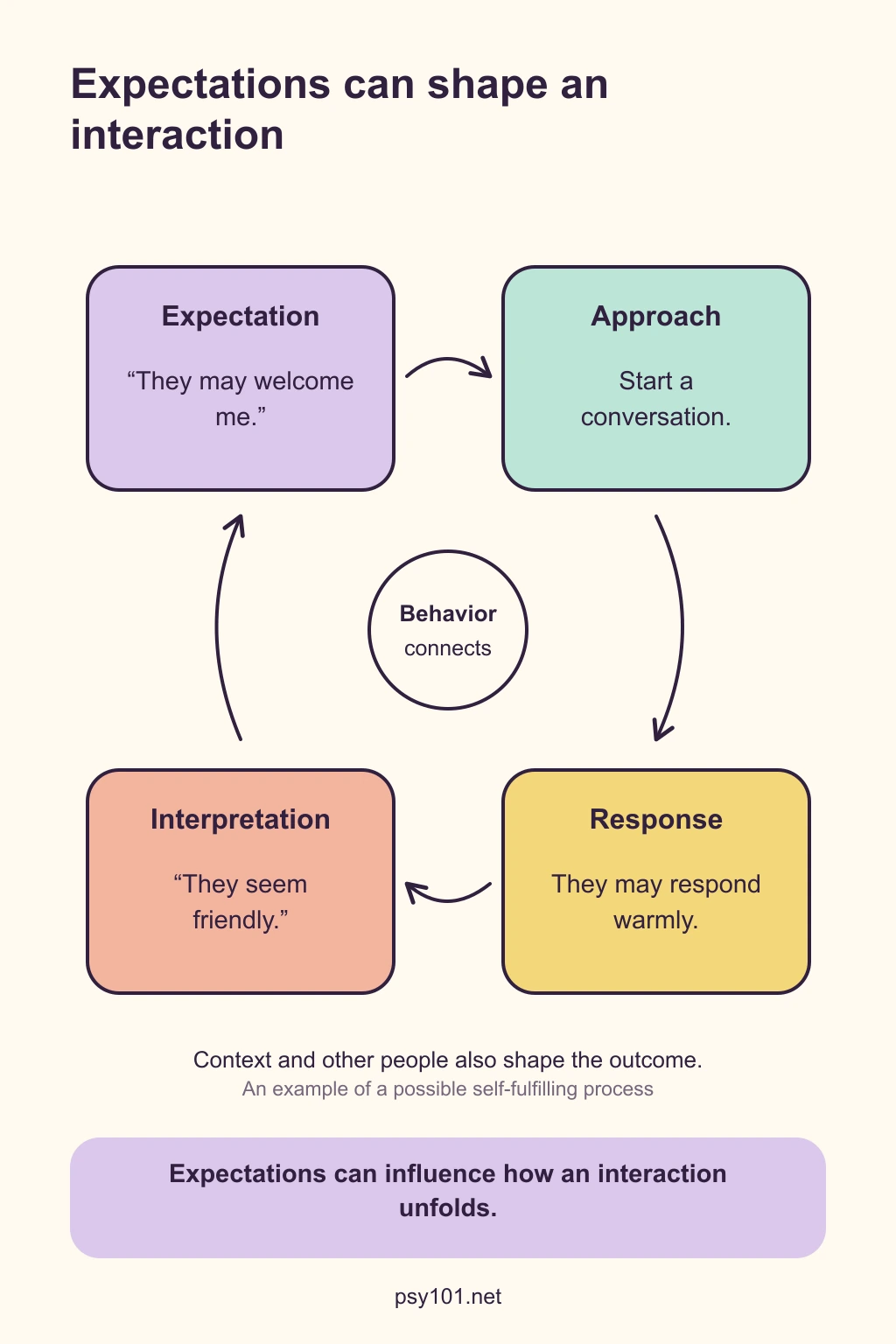 Expectations can shape an interactionFollow one way an expectation can influence an interaction.Read the illustrated guide