Mental health
What helps us understand a person’s experience?
The basic idea
Psychologists examine what a person experiences, how long it continues, the circumstances around it and its effects on everyday life. Clinical assessment brings these observations together with the person’s account and relevant history. The aim is to understand the pattern and its significance.
- Describe the experience
- Consider context and impact
- Explore the pattern over time
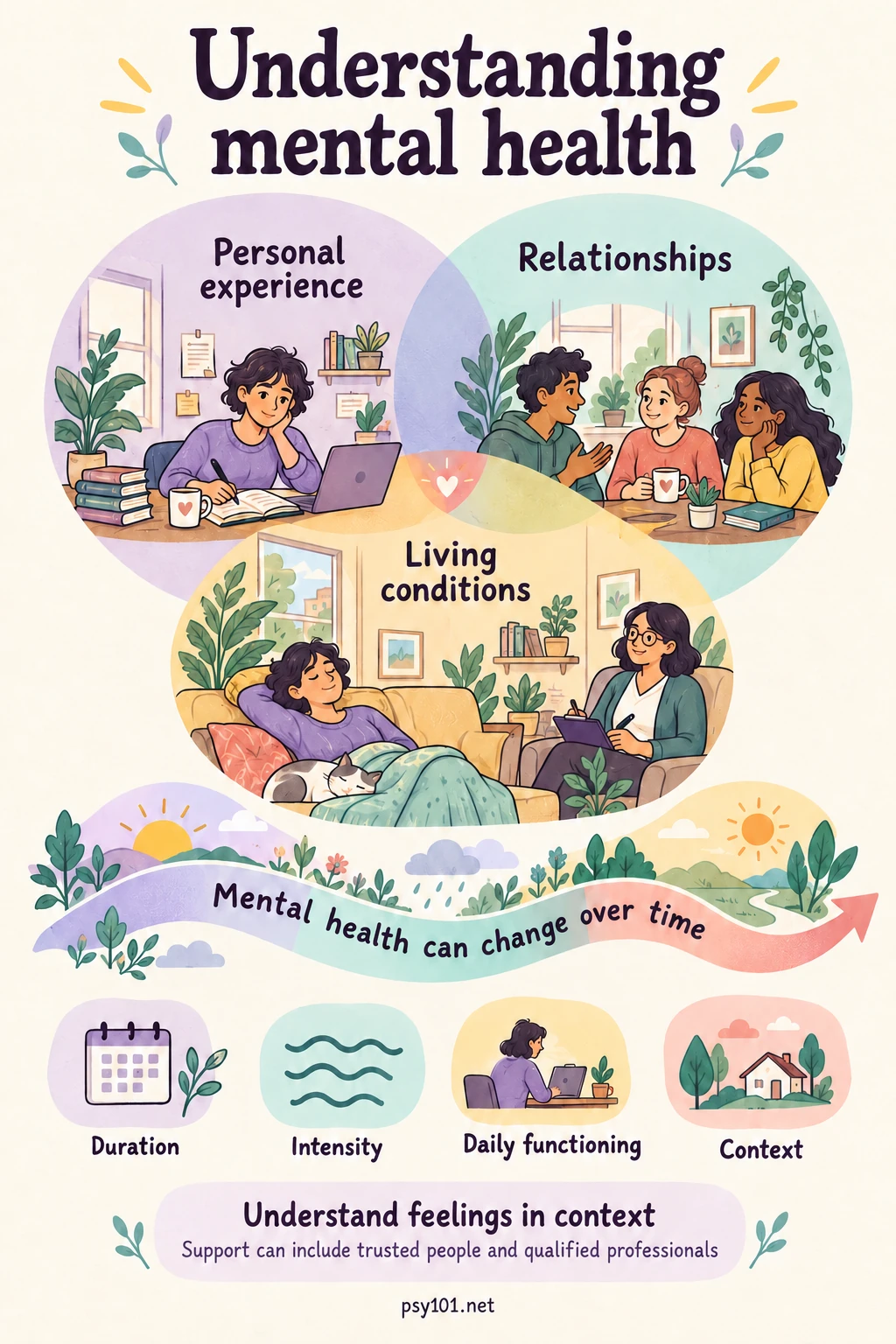
Understanding mental health
Look at experience, relationships and living conditions together.
- Personal experience
- Feelings, thoughts and everyday functioning contribute to the picture.
- Relationships
- Support and social experiences can influence well-being.
- Living conditions
- Resources and surroundings form part of the context.
Picture this
Original teaching example
A fictional student feels nervous before giving a presentation. Useful questions concern how the nervousness changes afterward, whether it occurs in other situations and how it affects the student’s activities.
Your turn
What would you want to learn about the student’s experience over time and across situations?
Show the explanation
Ask about persistence, intensity, circumstances and effects on everyday activities. These details help place the presentation experience in a broader pattern. The question illustrates how assessment combines several kinds of information.
Take the idea further
Use this example to practice reasoning about context and evidence. Personal assessment involves a qualified professional and the person’s own circumstances.
Explore another angle
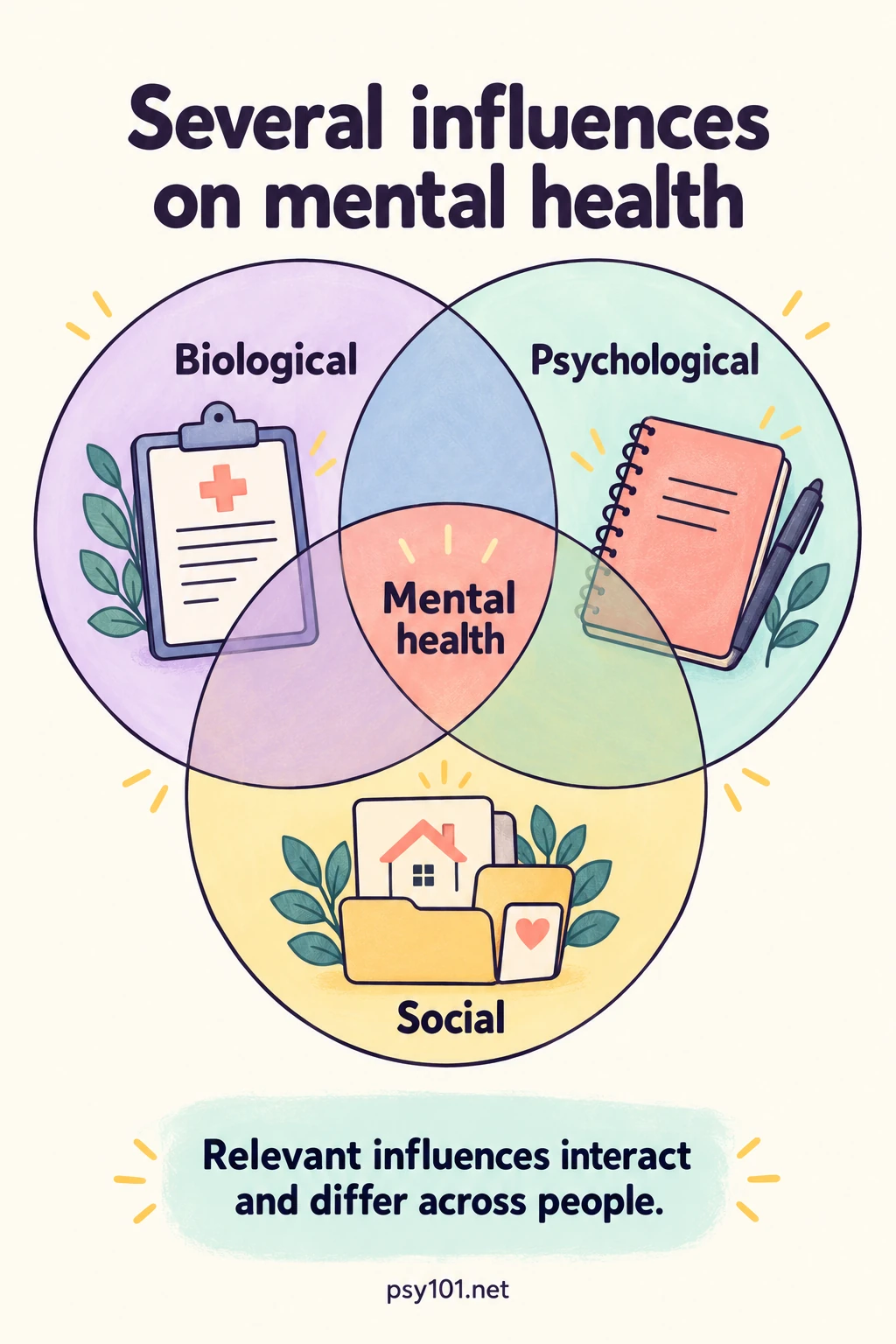 Several influences on mental healthConsider biological, psychological and social factors as interacting parts of a fuller account.Read the illustrated guide
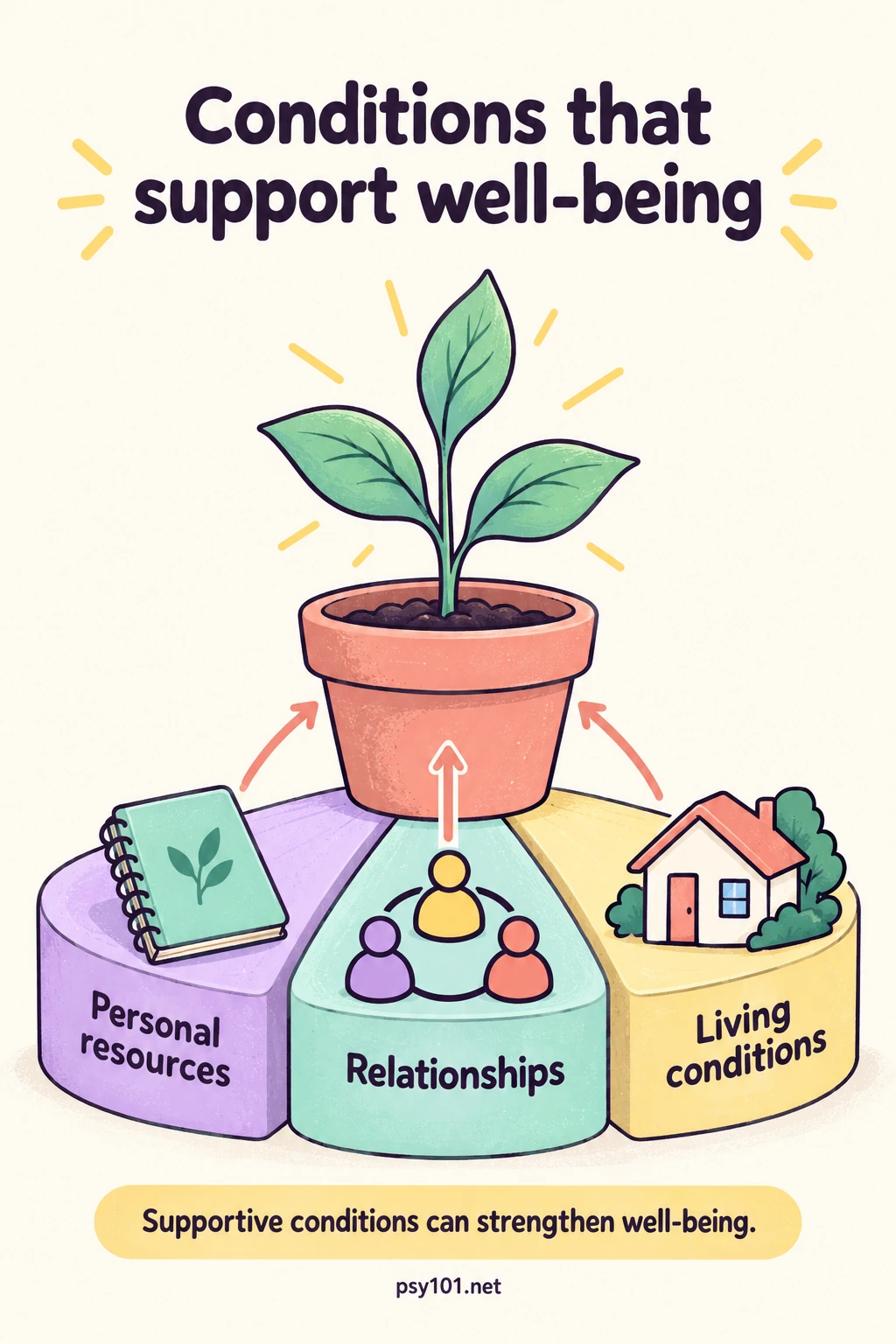 Conditions that support well-beingIdentify personal, relational and wider conditions that can help support mental health.Read the illustrated guide
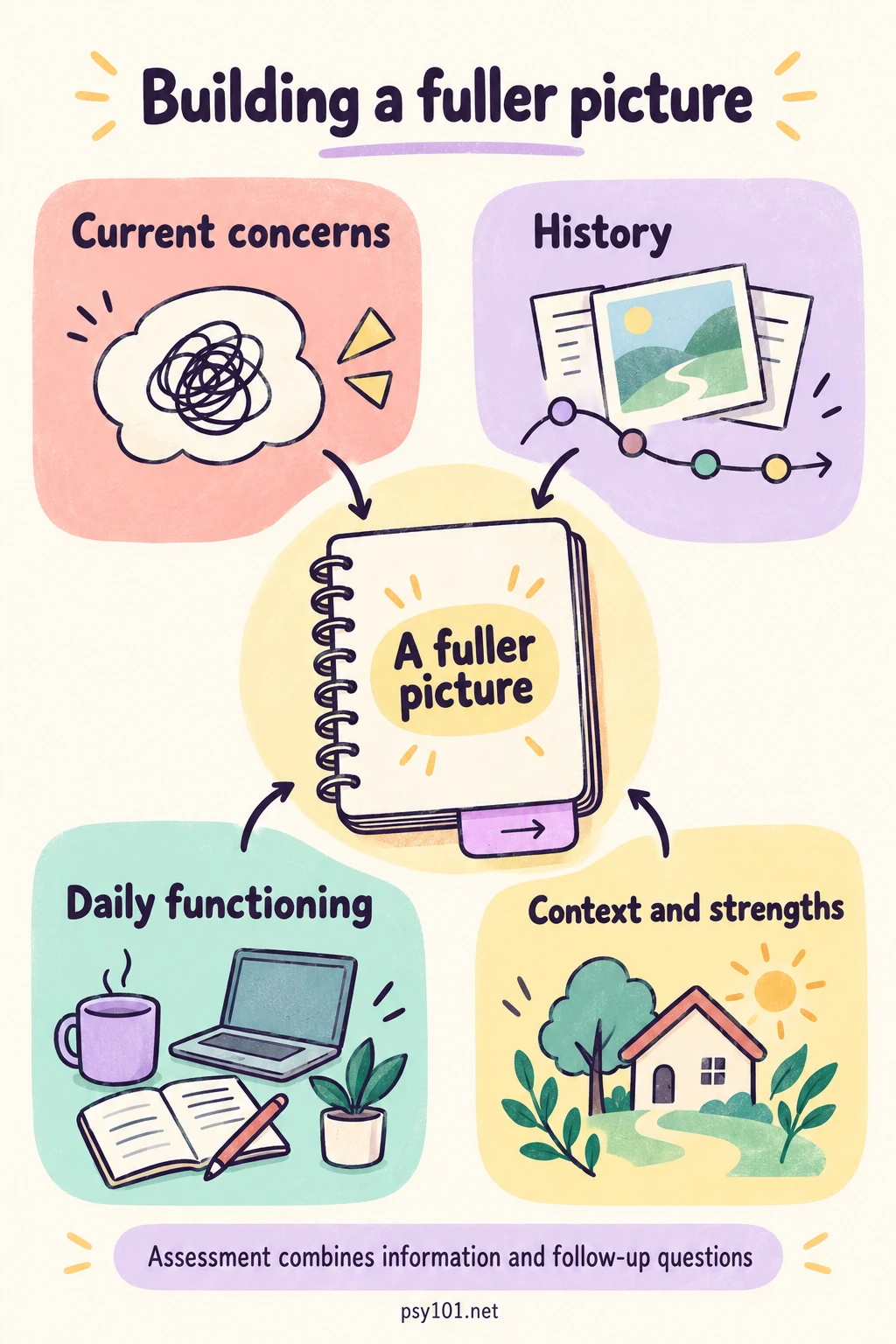 Building a fuller pictureSee how a professional assessment can bring together current concerns, history, functioning and context.Read the illustrated guide
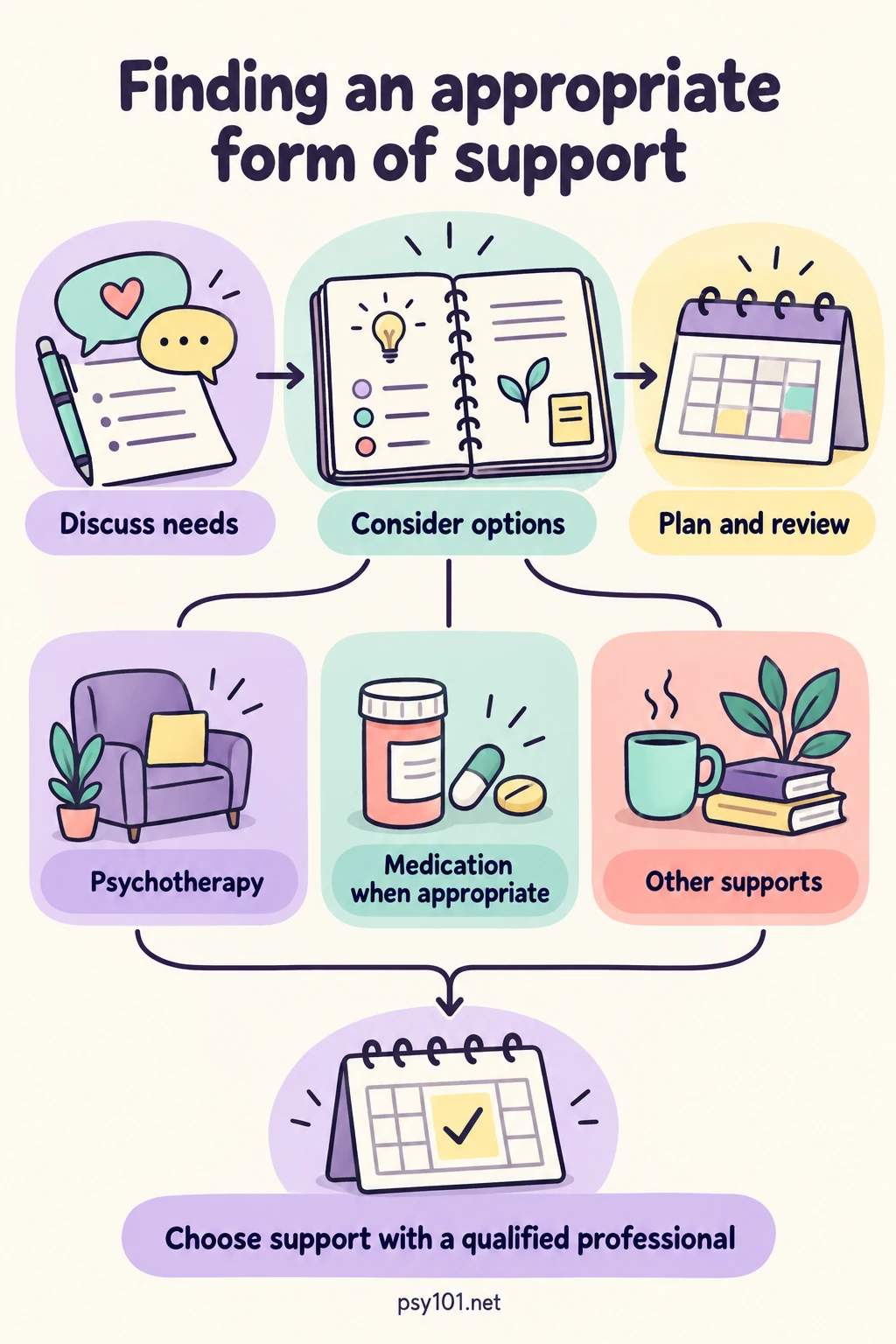 Finding an appropriate form of supportUnderstand how support choices can be discussed in relation to a person’s needs, preferences and circumstances.Read the illustrated guide
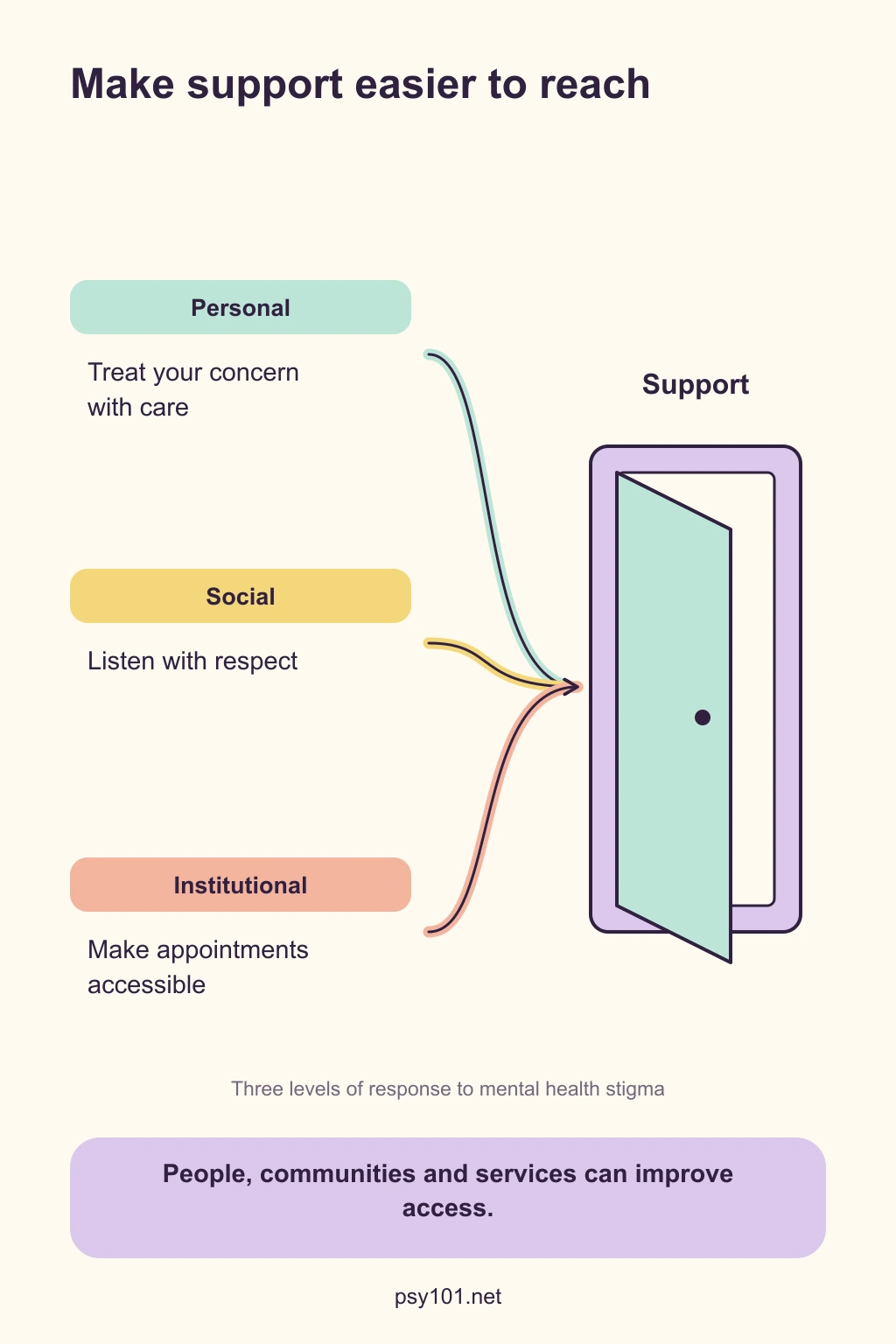 Make support easier to reachExplore ways to make mental health support easier to reach.Read the illustrated guide