Development
How do people change across a lifetime?
The basic idea
Development includes physical, cognitive and social-emotional change. These domains interact throughout life. Researchers study how biology and experience work together and how patterns vary across settings. A person’s history and surroundings help explain their particular course of development.
- Bodies change
- Thinking changes
- Relationships change
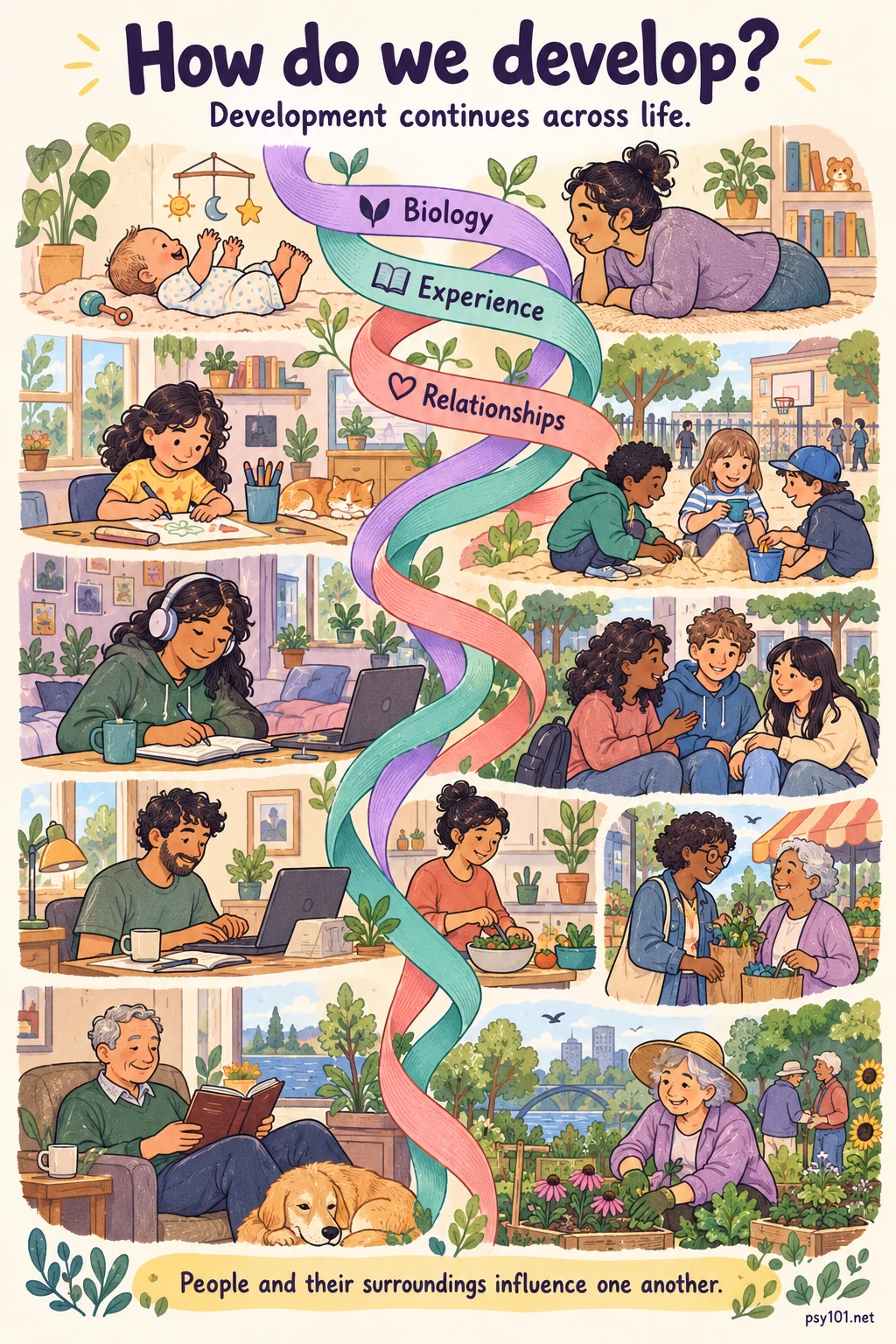
How do we develop?
Follow biology, experience and relationships across a lifetime.
- Biology
- Bodies and biological processes contribute to development.
- Experience
- Learning and daily activities shape changing abilities.
- Relationships
- Other people form part of the settings in which development happens.
Picture this
Original teaching example
Learning a new job in adulthood can involve new skills, unfamiliar social expectations and changed daily routines. Practicing a task, meeting colleagues and adjusting to a schedule connect several areas of development.
Your turn
Which changes in the new-job example involve thinking, relationships and daily routines?
Show the explanation
Learning a task involves thinking and skill. Getting to know colleagues involves relationships. Adapting to a schedule changes daily routines. The example shows how several aspects of development can interact during an adult transition.
Take the idea further
An age-based pattern summarizes a group. Understanding an individual’s development also involves their experiences, opportunities and setting.
Explore another angle
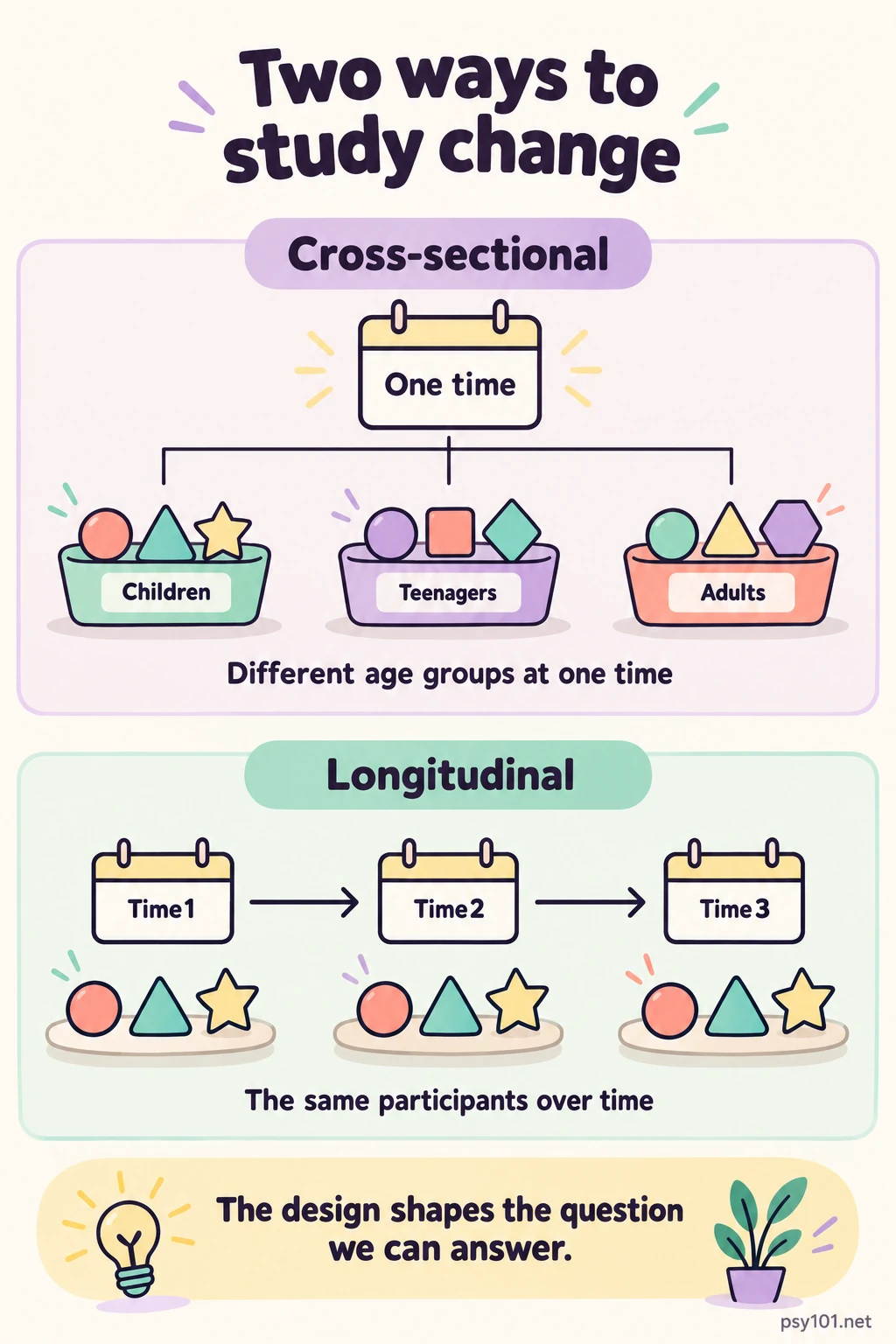 Two ways to study changeCompare different age groups or follow the same participants through time.Read the illustrated guide
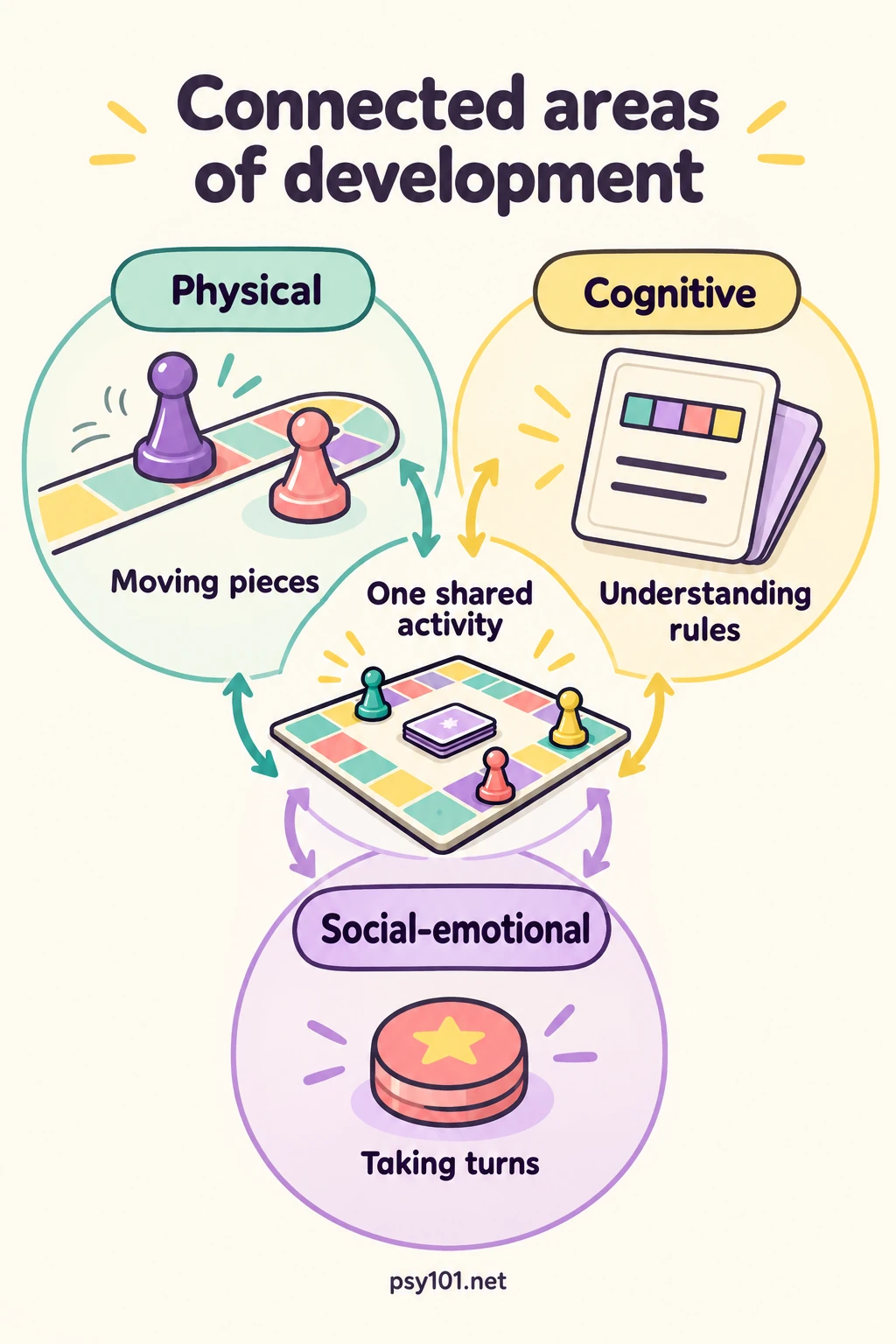 Connected areas of developmentExamine physical, cognitive and social-emotional development together.Read the illustrated guide
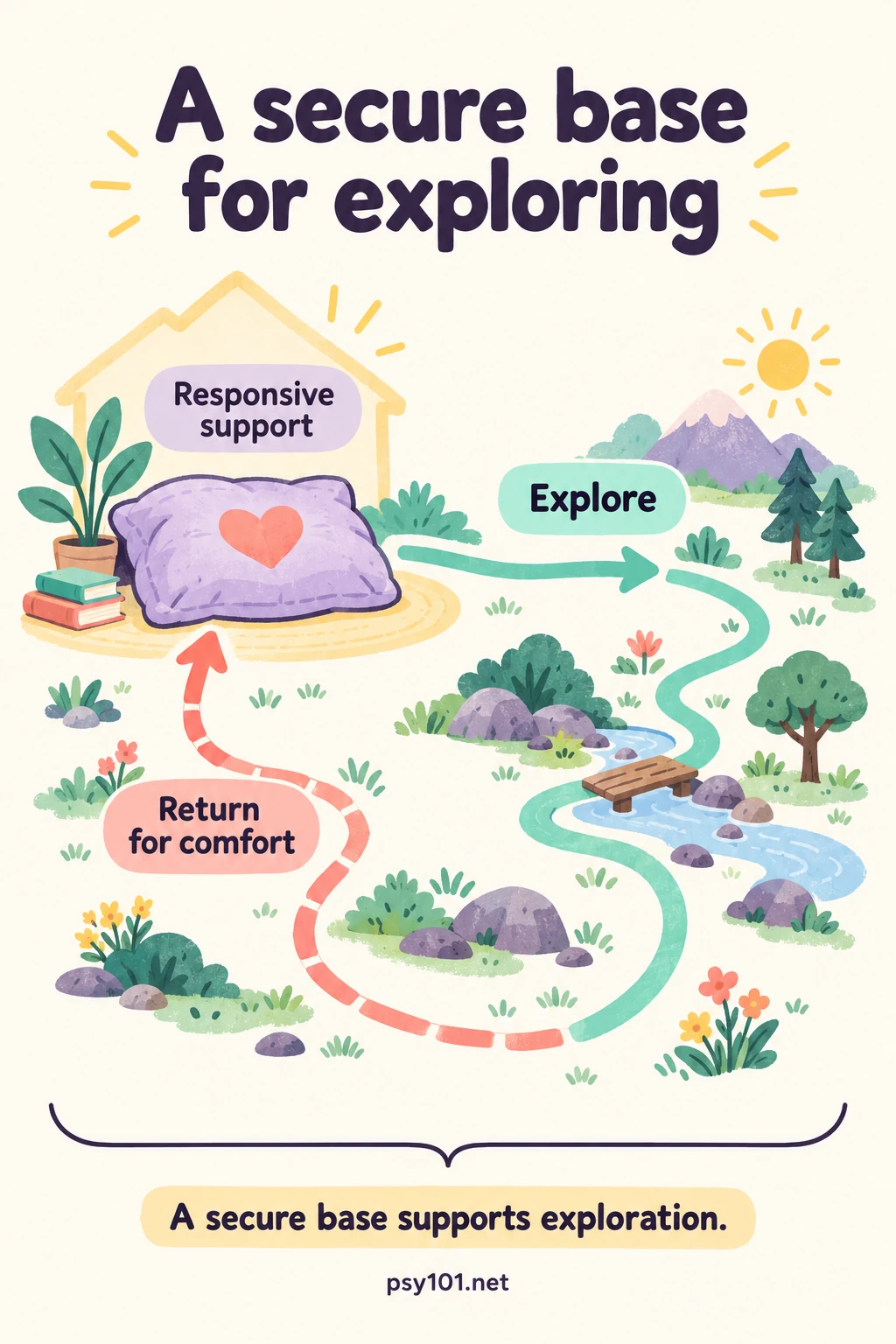 A secure base for exploringUnderstand the relationship between access to a responsive caregiver and exploration.Read the illustrated guide
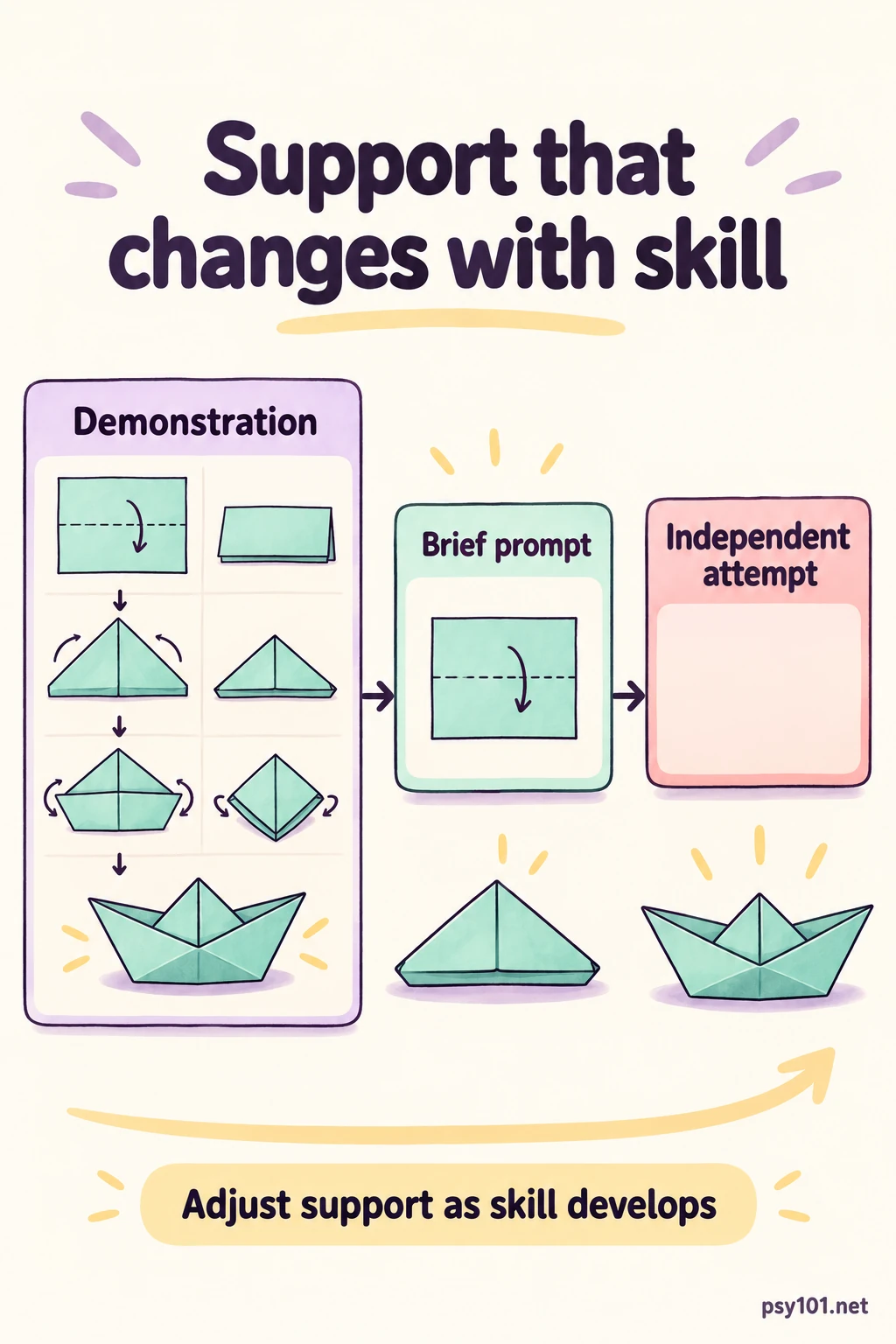 Support that changes with skillSee how task support can be adjusted as a learner becomes more able to work independently.Read the illustrated guide
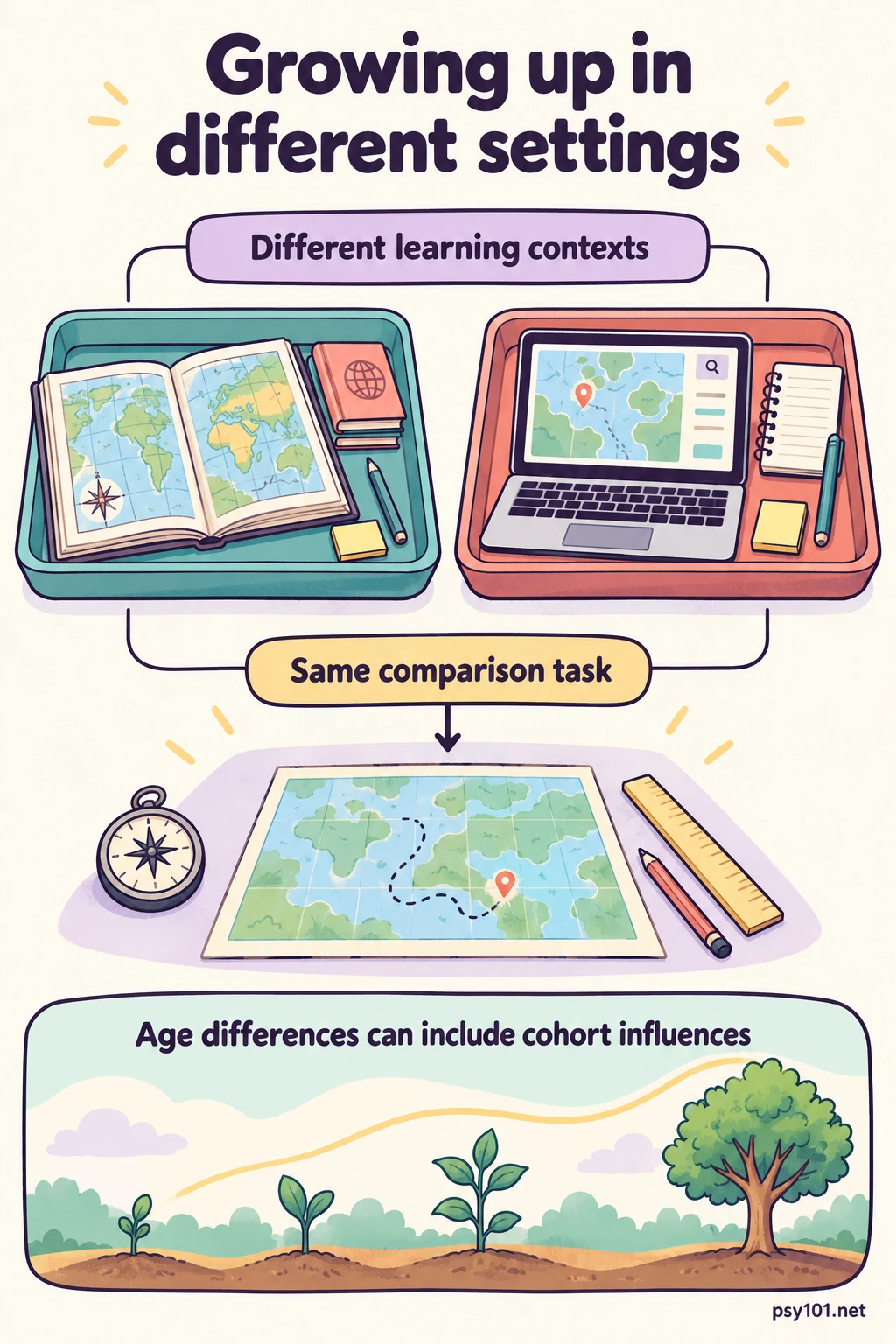 Growing up in different settingsConsider how shared historical circumstances can influence groups born around the same time.Read the illustrated guide
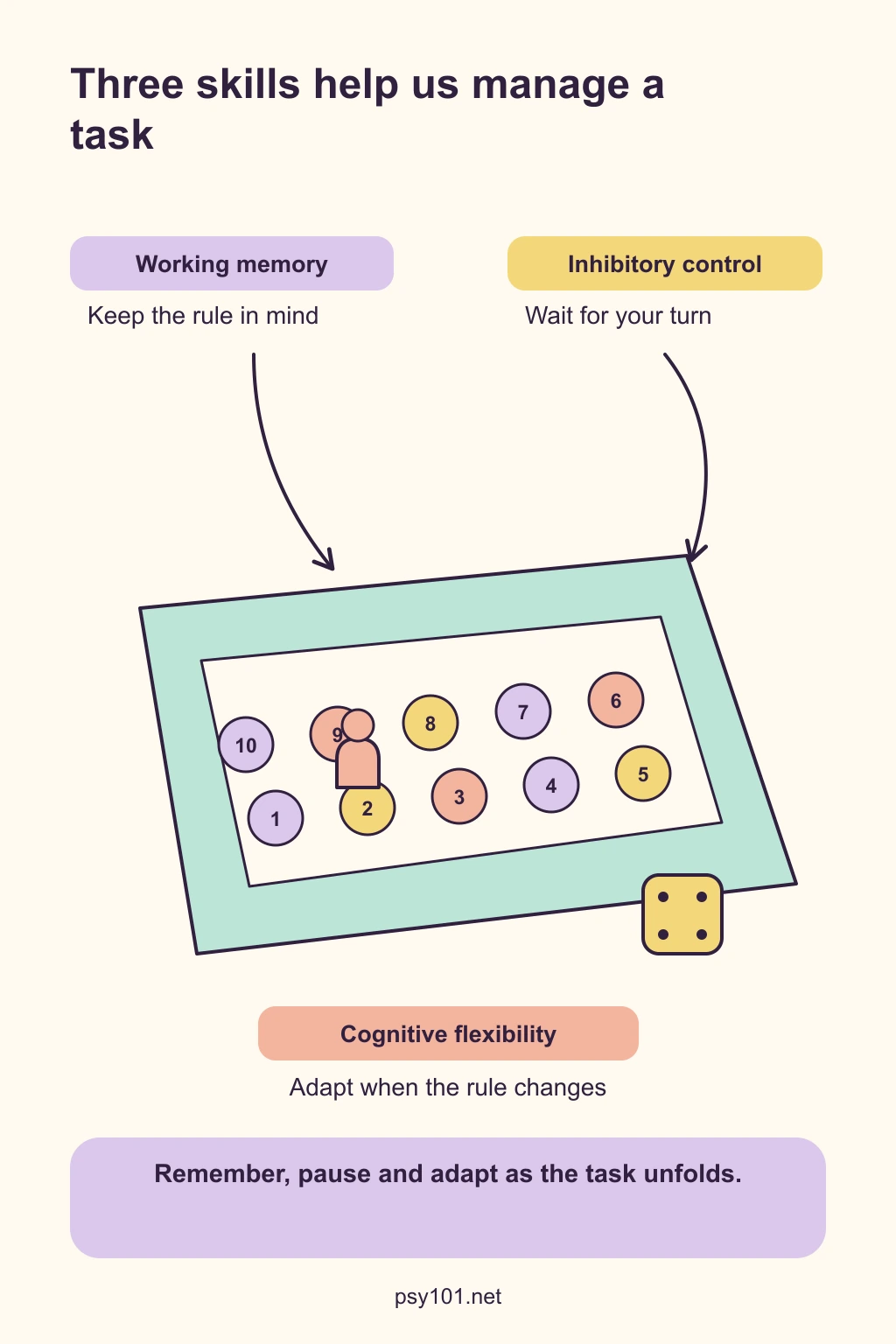 Three skills help us manage a taskConnect three skills that help manage a game or task.Read the illustrated guide
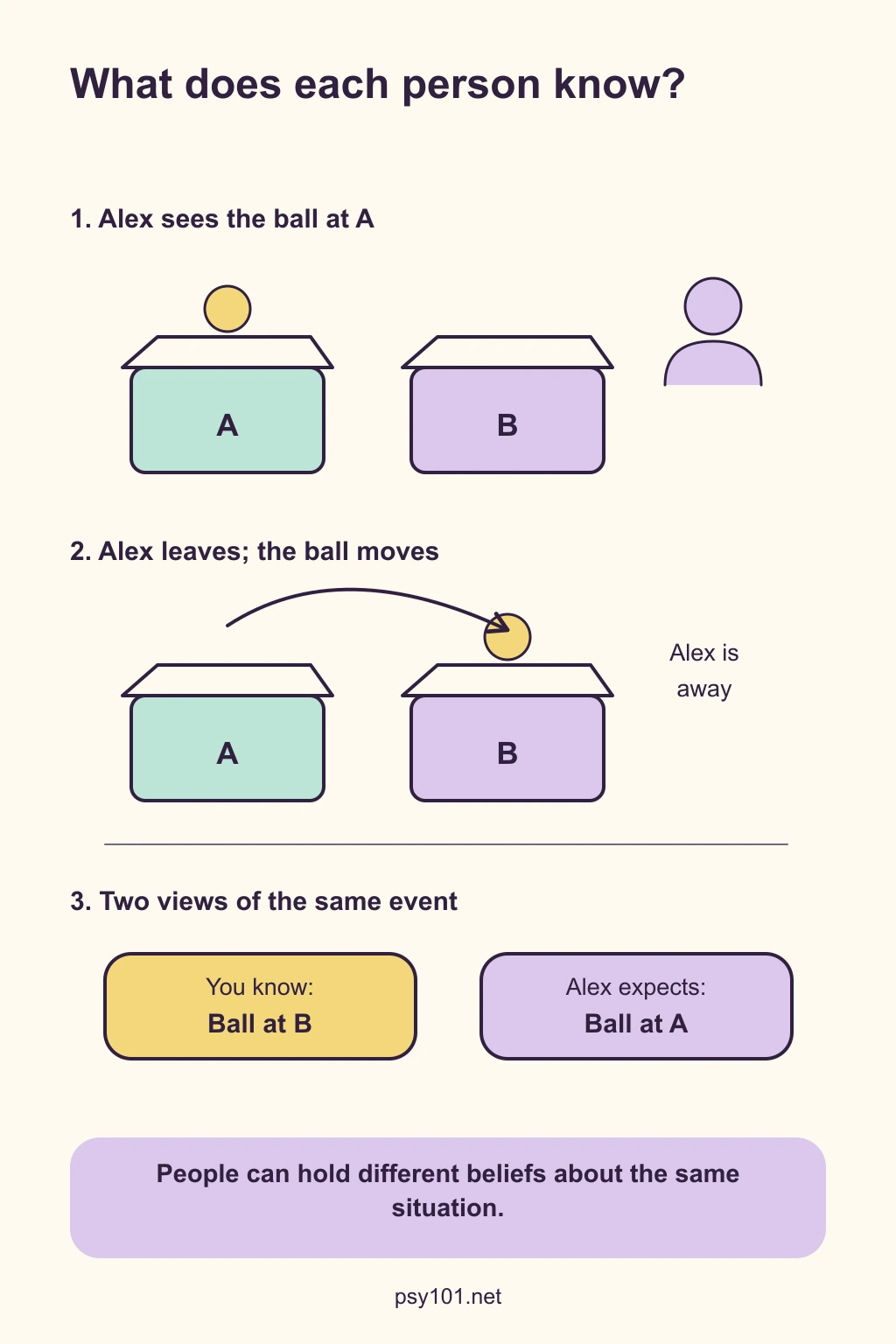 What does each person know?Track how access to information shapes a person’s belief.Read the illustrated guide
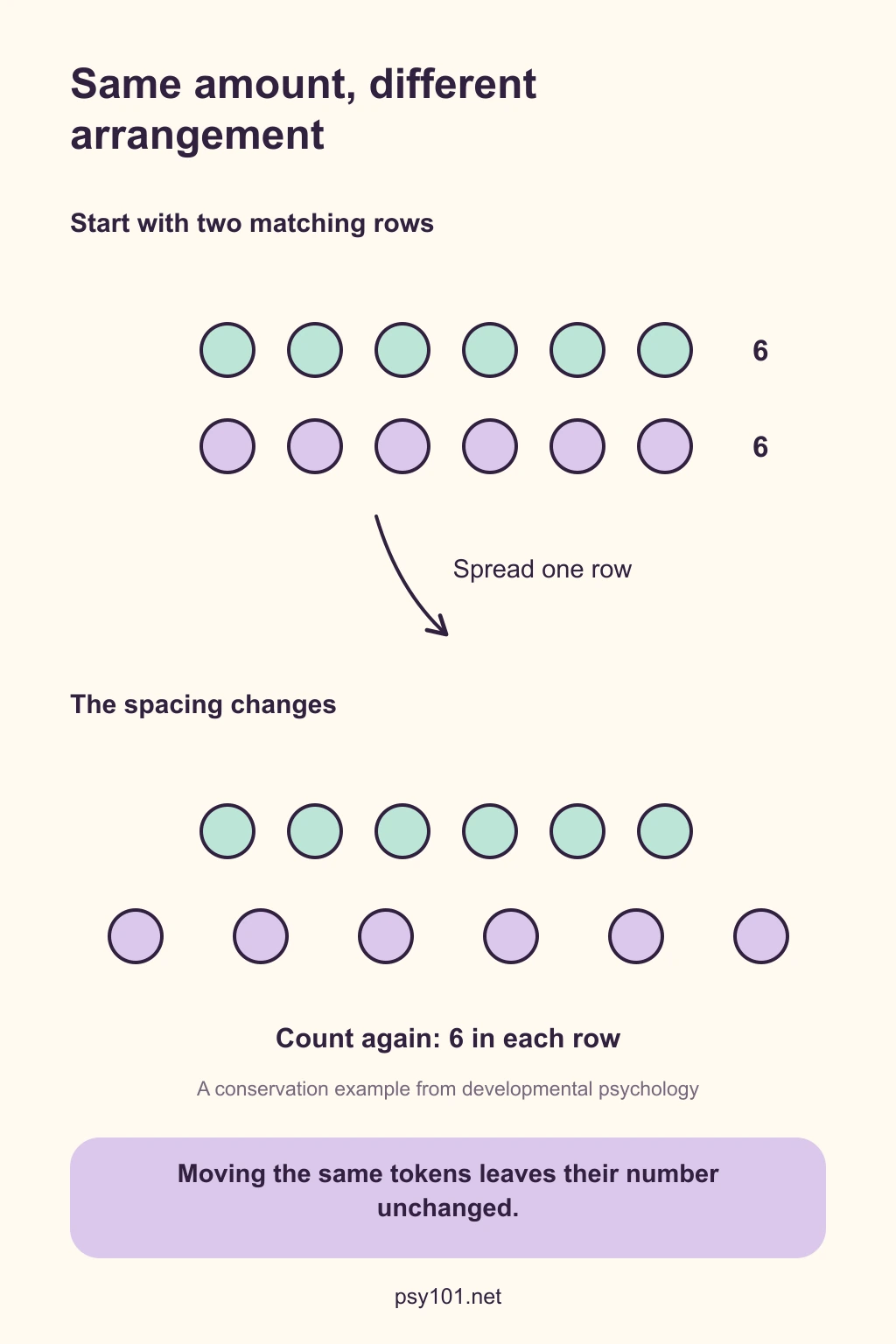 Same amount, different arrangementExplore what remains constant when an arrangement changes.Read the illustrated guide